


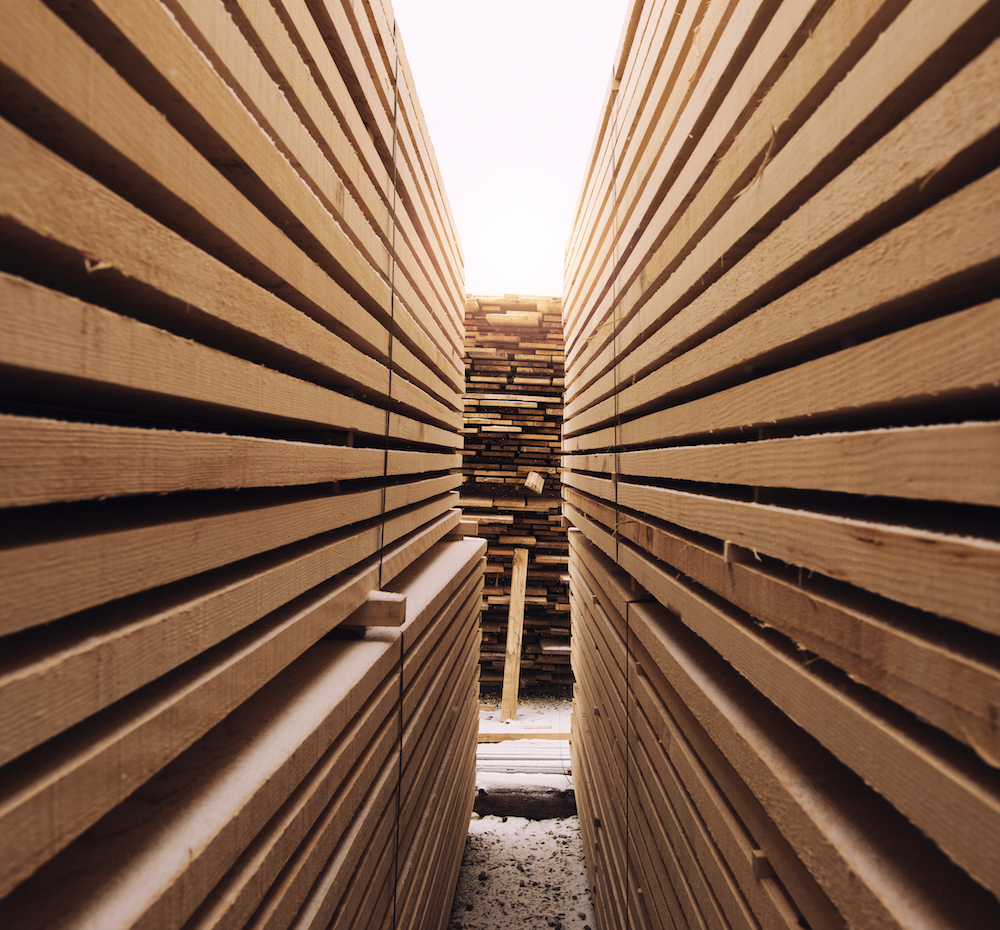
How to Store Lumber Properly in Winter (and Avoid Costly Problems Later)
Cold weather doesn’t stop building, but improper lumber storage during winter can create serious issues once projects move back outside in spring. Warping, swelling, mold, and moisture damage are all common problems that start long before a board is installed.
The good news: most of these issues are preventable with a few smart storage practices.
Why Winter Lumber Storage Matters
During winter, lumber is exposed to:
- Increased moisture from rain, snow, and freeze-thaw cycles
- Limited airflow when materials are stacked too tightly
- Temperature swings that cause expansion and contraction
If lumber absorbs moisture now, it won’t magically “fix itself” later. Those boards often twist, cup, or shrink once they dry, creating headaches during framing, finishing, or install.
1. Keep Lumber Covered (But Not Sealed)
Lumber should always be protected from direct rain and snow, but fully wrapping it in plastic can trap moisture inside.
Best practice:
- Use a tarp or breathable cover
- Leave the sides partially open
- Avoid sealing the stack airtight
The goal is protection and airflow.
2. Elevate Lumber Off the Ground
Ground moisture is one of the biggest winter risks. Even pressure-treated lumber can absorb moisture when stored directly on soil or concrete.
Best practice:
- Store lumber on dunnage, pallets, or sleepers
- Keep boards several inches off the ground
- Avoid low spots where water can pool
This helps prevent moisture wicking and uneven drying.
3. Allow for Ventilation
Airflow is essential to keep lumber stable during cold, damp months.
Best practice:
- Stack lumber with spacers when possible
- Avoid pushing stacks tightly against walls
- Store in covered but ventilated areas
Good ventilation helps lumber acclimate gradually instead of absorbing excess moisture.
4. Plan Ahead for Spring Builds
Winter is the ideal time to:
- Stage lumber for upcoming spring projects
- Review material lists and quantities
- Ensure stored materials are protected and ready to use
Crews that prepare during winter avoid delays when spring demand spikes and schedules tighten.
The Bottom Line
Proper winter storage saves time, money, and frustration on site. Lumber that’s:
- Covered
- Elevated
- Well-ventilated
will perform better, install easier, and reduce callbacks once the busy season starts.
If you’re planning spring projects now, taking care of your materials through winter is one of the simplest ways to protect your bottom line.
Need more lumber? SHOP HERE:
Cedar | Common | Primed Fascia | Pressure Treated | Spruce | Studs | Decking |