Store: Haney Builders, Maple Ridge
0 CAD 0.00
items in your cartto quote To cart
Ooops no items were found.
Try something else.
Ok
Loading…

Turning Your Home Into a Quiet Office or Podcast Studio Starts Inside the Walls

2 min

Turning Your Home Into a Quiet Office or Podcast Studio Starts Inside the Walls

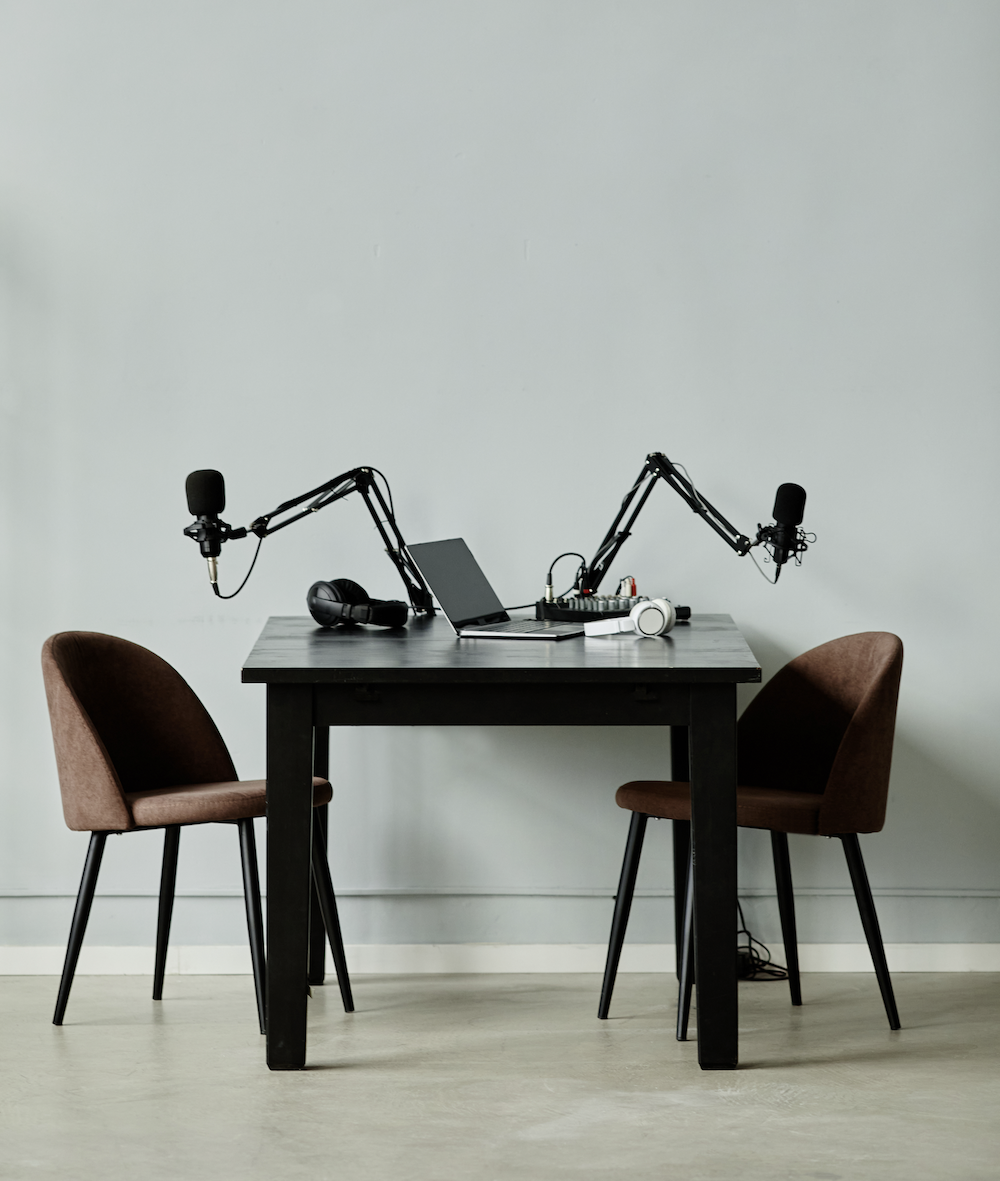
Working from home is no longer a temporary setup and neither is podcasting, content creation, or video calls that demand clear sound. More homeowners are converting spare bedrooms, basements, and flex spaces into home offices and podcast studios. 


The biggest challenge? Noise. 

Street traffic, family activity, appliances, and echo can quickly ruin focus or recordings. The solution isn’t expensive foam panels or turning your room into a studio: it starts with the right materials behind the walls. SHOP INSULATION NOW.


Why Insulation Matters for Home Offices & Podcast Studios

Insulation isn’t just about temperature. The right insulation helps:

  • Reduce sound transfer between rooms
  • Block outside noise
  • Improve privacy for calls and recordings

If you can hear conversations, footsteps, or appliances clearly, so can your microphone.


Step 1: Choose the Quietest Room Possible

Before materials come into play, location matters.

The best rooms for home offices or podcast studios are:

  • Away from busy streets
  • Not next to laundry rooms or mechanical spaces
  • Smaller rooms where sound is easier to control

Basements and interior rooms often work especially well.


Step 2: Use Sound-Absorbing Insulation

For serious noise control, sound-dampening insulation installed in wall and ceiling cavities is key.

Acoustic insulation absorbs sound vibrations that travel through framing, helping reduce:

  • Voices from adjacent rooms
  • Household noise
  • Echo and hollow sound

This type of insulation is commonly used in:

  • Podcast studios
  • Home offices
  • Media rooms
  • Bedrooms and nurseries

Once installed, it’s invisible, but the difference is immediately noticeable.


Step 3: Soften the Room

Insulation controls noise between rooms, but interior sound quality improves when reflections are reduced.

Add:

  • Area rugs or carpet
  • Thick curtains
  • Upholstered furniture
  • Fabric wall panels or shelving

Hard surfaces like glass, tile, and bare drywall reflect sound. Soft materials absorb it.


Step 4: Plan It Into Your Renovation

If you’re already renovating or finishing a space, adding sound control is simple and cost-effective when walls are open.

Winter is a great time to:

  • Upgrade insulation
  • Prepare a space for spring use
  • Create a dedicated, quiet work environment

It’s much harder and more expensive to do later. 

Everything You Need, In One Place

From sound-absorbing insulation to drywall, framing, and finishing materials, Haney Builders Supplies carries everything you need to build a quiet, functional home office or podcast studio.

Whether you’re a homeowner upgrading your space or a contractor building for a client, the right materials make all the difference and they start inside the walls.


Not sure how to do it? Hire one of our trusted contractors. Discover your new renovation partner here.

Contact Us

22740 Dewdney Trunk Road,
Maple Ridge, BC, V2X 3K2
CA

6044636206

Contact Us

22740 Dewdney Trunk Road,
Maple Ridge, BC, V2X 3K2
CA

6044636206

Turning Your Home Into a Quiet Office or Podcast Studio Starts Inside the Walls

2 min

Turning Your Home Into a Quiet Office or Podcast Studio Starts Inside the Walls

Working from home is no longer a temporary setup and neither is podcasting, content creation, or video calls that demand clear sound. More homeowners are converting spare bedrooms, basements, and flex spaces into home offices and podcast studios. 


The biggest challenge? Noise. 

Street traffic, family activity, appliances, and echo can quickly ruin focus or recordings. The solution isn’t expensive foam panels or turning your room into a studio: it starts with the right materials behind the walls. SHOP INSULATION NOW.


Why Insulation Matters for Home Offices & Podcast Studios

Insulation isn’t just about temperature. The right insulation helps:

  • Reduce sound transfer between rooms
  • Block outside noise
  • Improve privacy for calls and recordings

If you can hear conversations, footsteps, or appliances clearly, so can your microphone.


Step 1: Choose the Quietest Room Possible

Before materials come into play, location matters.

The best rooms for home offices or podcast studios are:

  • Away from busy streets
  • Not next to laundry rooms or mechanical spaces
  • Smaller rooms where sound is easier to control

Basements and interior rooms often work especially well.


Step 2: Use Sound-Absorbing Insulation

For serious noise control, sound-dampening insulation installed in wall and ceiling cavities is key.

Acoustic insulation absorbs sound vibrations that travel through framing, helping reduce:

  • Voices from adjacent rooms
  • Household noise
  • Echo and hollow sound

This type of insulation is commonly used in:

  • Podcast studios
  • Home offices
  • Media rooms
  • Bedrooms and nurseries

Once installed, it’s invisible, but the difference is immediately noticeable.


Step 3: Soften the Room

Insulation controls noise between rooms, but interior sound quality improves when reflections are reduced.

Add:

  • Area rugs or carpet
  • Thick curtains
  • Upholstered furniture
  • Fabric wall panels or shelving

Hard surfaces like glass, tile, and bare drywall reflect sound. Soft materials absorb it.


Step 4: Plan It Into Your Renovation

If you’re already renovating or finishing a space, adding sound control is simple and cost-effective when walls are open.

Winter is a great time to:

  • Upgrade insulation
  • Prepare a space for spring use
  • Create a dedicated, quiet work environment

It’s much harder and more expensive to do later. 

Everything You Need, In One Place

From sound-absorbing insulation to drywall, framing, and finishing materials, Haney Builders Supplies carries everything you need to build a quiet, functional home office or podcast studio.

Whether you’re a homeowner upgrading your space or a contractor building for a client, the right materials make all the difference and they start inside the walls.


Not sure how to do it? Hire one of our trusted contractors. Discover your new renovation partner here.

SEARCH ×